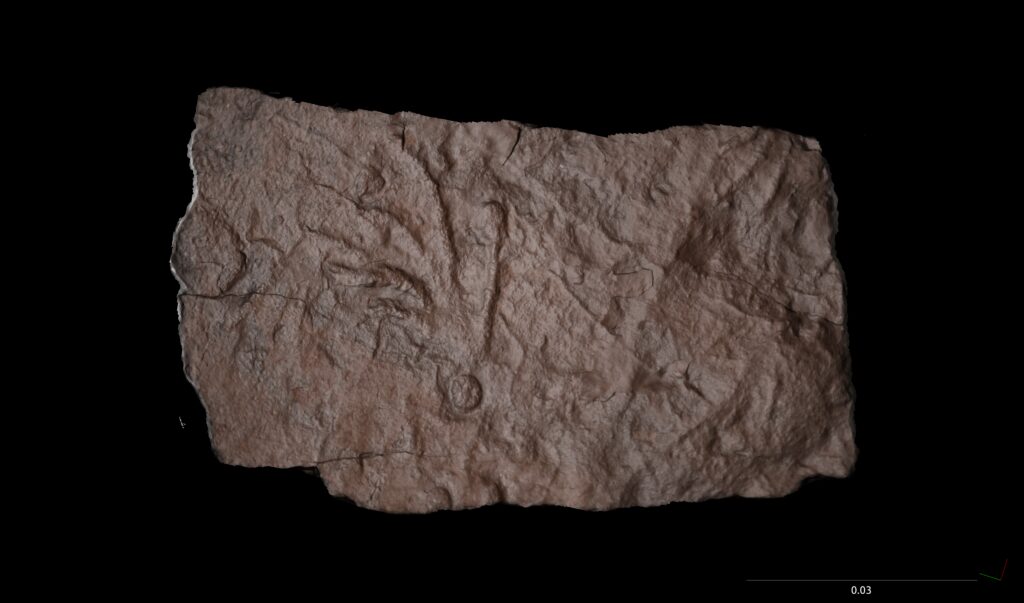
The End Triassic Extinction and the Rise of Dinosaur Dominated Communities in the Newark Basin
By conducting a more thorough examination of a site briefly mentioned in the literature before, I describe the ecosystem dynamics of the first true dinosaur-dominated communities in the paleo-tropics. I show for the first time that proposed species groupings exist not just as overlapping ranges, but as proportionally separate groups. I also demonstrate that terrestrial extinciton patterns are more consistent with a cold-forced extinciton than with extinction caused by rising carbon dioxide, adding to a growing body of evidence that supports a sulfur aerosol mediated End Triassic Extinction. Finally, I compare this site with contemporaneous, though less temporally resolved, sites from the Colorado Plateau, examining hypotheses of ecosystem make-up in the devastated post-extinction environment.
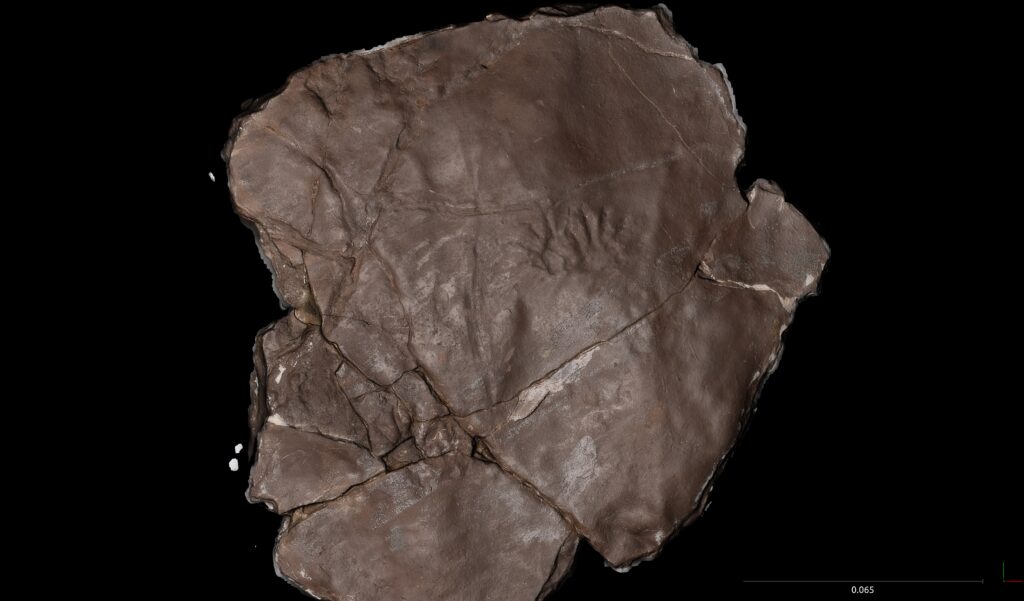
A new species of Ameghinichnus from the Newark Basin
I describe a new ichnospecies of mammaliamorph trackway from the Newark and Hartford Basins and discuss an ichnocladistic assignment as well as the palaeobiological implications. The presence of such a small species in beds containing large dinosaur footprints like Eubrontes suggests that at least transiently, the trackmakers shared the same environment. More presciently, this supports the hypothesis that the lack of ichnofossil diversity in the Newark Basin is a true biological signal and not a taphonomic bias.
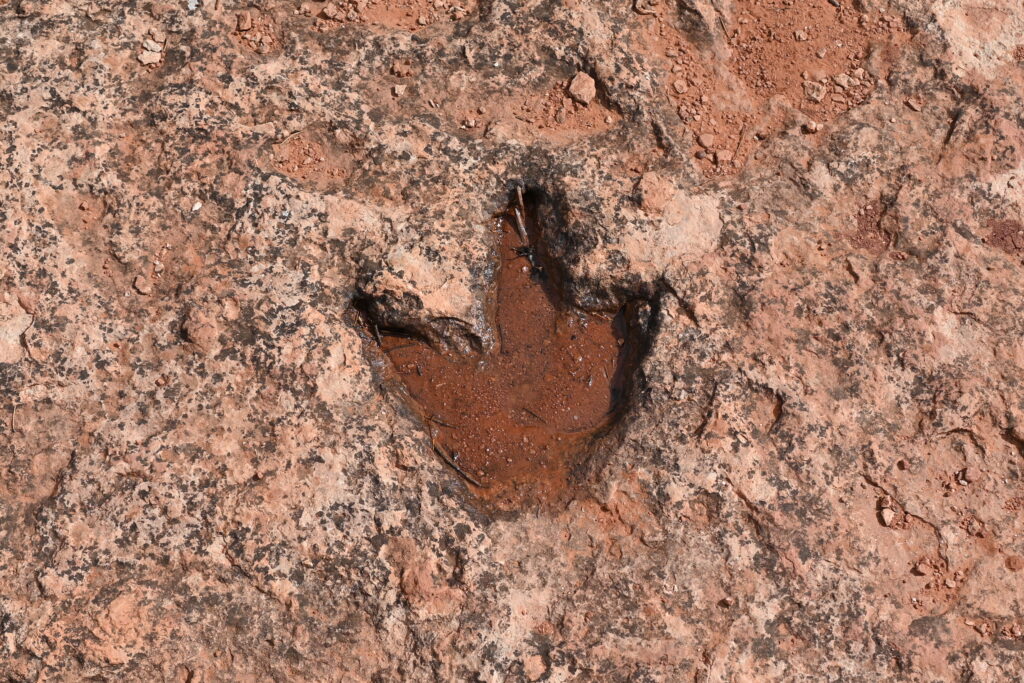
Intuitive Geoscience
I create a new evidence-based geoscience focused pedagogy, with a special aim towards creating a classroom that mirrors the operational environment of everyday geoscientists. This approach is grounded in the incorporation of active learning strategies, mental modeling, and an understanding of the subjective dimensions of earth system experience.
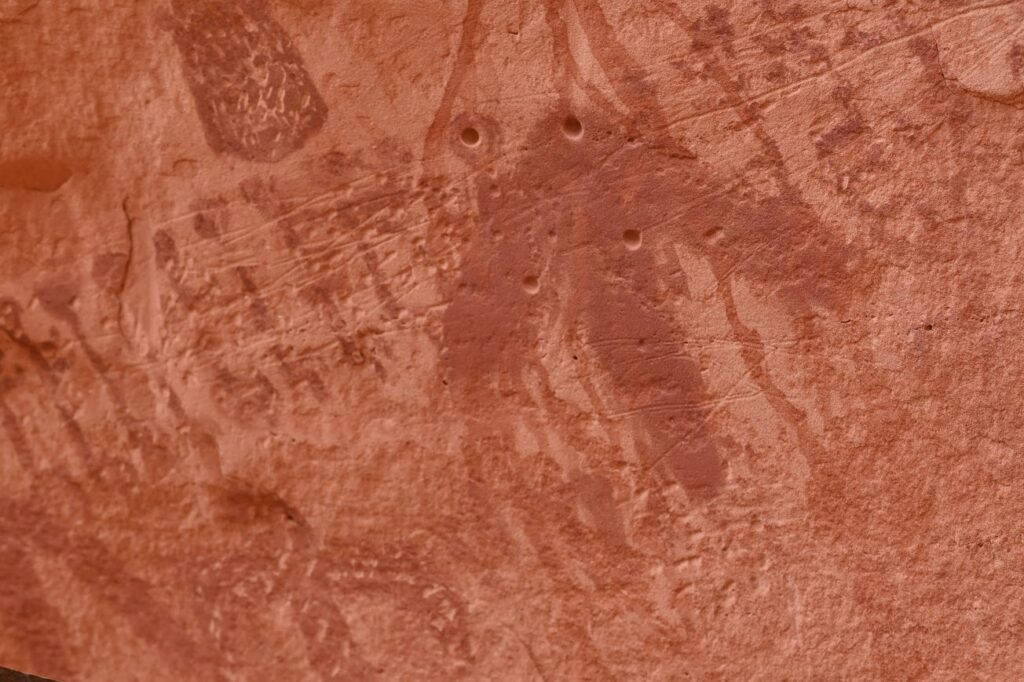
Indigenous Ichnology – Connections Between Petroglyphs and Dinosaur Footprints in the American SW
I synthesize and describe poorly documented footprint petroglyph assemblages from the Colorado Plateau. In the process, I examine which proposed dino-glyphs may show modern bird tracks, and which show dinosaur tracks. I also look at meanings in a modern indigenous context, and non-destructively preserve the sites for future study.
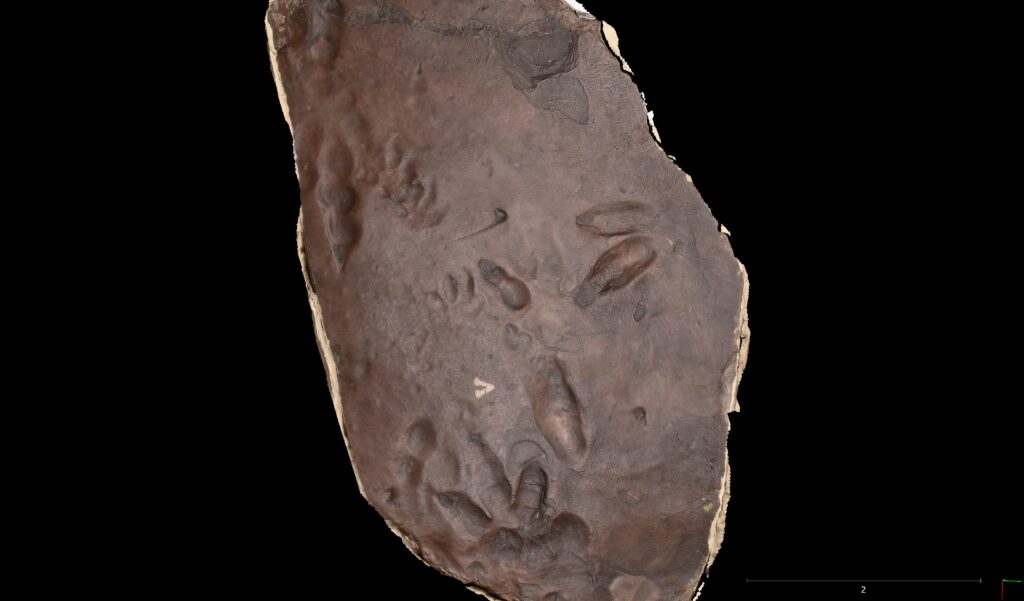
Vreeland Quarry – a Rainy Day in the Early Jurassic
I describe a remarkable footprint assemblage preserved in the Rutgers Geological Musuem with an exceptional number of tracks and environmental indicators as well as unique behaviors such as a probable courtship display. I also describe the location of the quarry, once lost but now found again, and place the slab within its proper geologic context.
Fissure Bones – the First Post ETE Tetrapod Fossils in Eastern North America
I describe a set of skeletal remains found in a basalt fissure infill from the Newark Basin. The hollowness of the bones suggests they may be dinosaur bones, making them the oldest known in Eastern North America, and conclusively demonstrating their presence in the Newark Basin during the crucial End Triassic interval.